
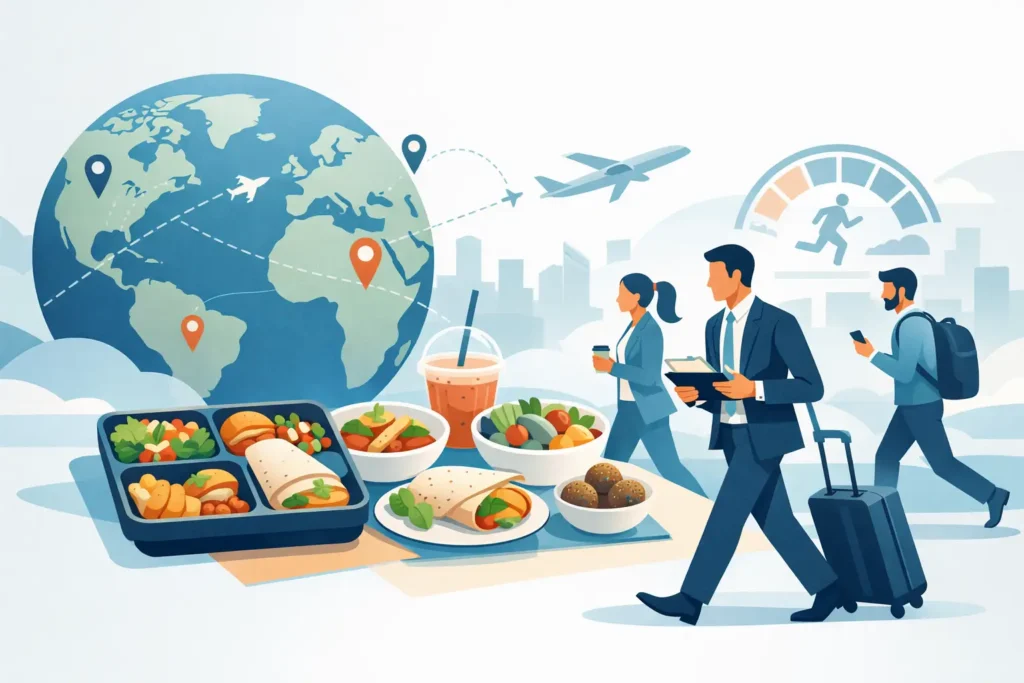
A 6am call time, a live set-up, a backstage changeover or a product launch with one chance to impress: food cannot be an afterthought. Bespoke global event menus give organisers the freedom to serve creative, flavoursome dishes that suit the people, place and pace of the occasion, without losing control of timings, dietary requirements or budget.
For production teams, the right menu keeps cast and crew fuelled through long days. For corporate and private events, it gives guests something worth talking about long after the final speech. The difference is not simply choosing food from different countries. It is building a service that works on the ground.
Why bespoke global event menus work harder
A set menu may be convenient, but it rarely accounts for the realities of a demanding event. Your guest list may include vegans, gluten-free guests, halal requirements, allergies, fussy eaters and people arriving in staggered waves. Your venue may have a full kitchen, a small prep area or no usable catering facilities at all.
A bespoke menu starts with those practical details, then makes the food exciting. One crew might need a generous hot breakfast followed by portable lunch boxes that can be eaten between takes. Another might need a polished canapé reception, colourful sharing platters and a late-night street-food station. Both deserve food prepared fresh, served professionally and planned around the actual schedule.
Global cuisine gives organisers more room to create that experience. Fragrant curries, slow-cooked Caribbean dishes, vibrant Mediterranean salads, comforting British favourites, Asian-inspired bowls and fresh wraps can sit together when they are selected with care. The aim is variety with a clear point of view, not a menu that feels crowded or confused.
Food should reflect the room
The strongest event menus take their cue from the audience. A music video shoot may call for quick, satisfying meals that travel well to a remote location. A brand launch can carry a theme through colour, presentation and interactive food stations. A wedding may bring together family traditions from more than one culture, creating a menu with genuine personal meaning.
This is where custom catering earns its place. It allows the menu to feel generous and considered while keeping service realistic. A dish that looks brilliant on a tasting table may not be the best choice for 200 guests with a 20-minute break. Equally, a simple crew lunch can still be full of flavour when the ingredients, seasoning and portioning are right.
Planning bespoke global event menus around the schedule
Event catering is a moving operation. Especially on TV, film and live productions, meal service has to fit around unit moves, rehearsals, access restrictions, artist requirements and changing call sheets. A late delivery or poorly managed queue can put pressure on the entire day.
That is why menu planning should begin with service timing, not just favourite dishes. Establish when people need breakfast, whether lunch will be staggered, how long the service window is and whether a second hot meal is required. Consider who can sit down, who needs food brought to their department and who may be working through the main break.
Hot boxes, grab-and-go stations and individually packed meals can be the right answer when movement is limited. A mobile kitchen may be better for a large location shoot where hot, fresh food is essential but venue facilities are not available. For a reception or launch, staffed stations can manage guest flow while adding theatre to the room.
The format depends on the event. The non-negotiable is that food arrives hot where it should, chilled where it must, clearly labelled and ready when your people are.
Build dietary needs into the menu, not around it
Dietary catering should never feel like a small, separate plate left at the end of the table. When requirements are discussed early, plant-based, gluten-free, halal and allergy-aware choices can be integrated naturally into the main offering.
That improves the experience for every guest and makes service easier to manage. Clear labelling is vital, particularly at buffets and crew catering points where people are eating quickly. Allergen processes, separate utensils and informed staff matter just as much as the menu itself.
There are trade-offs to manage. An extensive menu can feel inclusive, but too many individual options can slow prep, increase waste and make a compact venue harder to operate. Often, a well-designed selection of generous dishes with clear dietary coverage gives guests more confidence than an overcomplicated spread.
From creative idea to practical service
A good catering brief gives the kitchen and event team enough information to make smart choices. Guest numbers are only the start. The venue address, loading access, power, water, parking, serving space, timings and staffing requirements all shape what is possible.
For production catering, share the call sheet and flag likely changes as early as you can. For private and corporate events, explain the desired atmosphere: relaxed and sociable, formal and plated, fast-moving or all-day. If there is a theme, brand palette or cultural influence you want to acknowledge, say so. These details help turn a broad idea into food that belongs at your event.
At D’Lights Event Catering, this planning is treated as part of the service, not extra administration. A menu has to work from the first enquiry through to the final collection, with practical attention to equipment, staffing, delivery points, health and safety and waste-conscious packaging.
Choose dishes that hold well
Not every delicious dish is suited to every event environment. A plated meal needs precise timing, sufficient staff and a venue layout that supports smooth table service. A buffet can offer range and flexibility, but it needs careful replenishment and temperature control. Street-food-style stations create energy, though they require enough space to prevent bottlenecks.
For crews, dishes that stay satisfying over a service period are often the best performers. Think slow-cooked mains, fragrant rice dishes, hearty salads, roasted vegetables, wraps and properly filled sandwiches. Add fresh fruit, snacks, hot drinks and cold refreshments to keep energy steady between meals.
For guest-facing occasions, presentation deserves equal attention. Bright salads, elegant canapés, beautifully dressed sharing boards and finishing touches that match the event can make food feel central to the occasion. The key is to keep the visual impact achievable at service time, rather than creating something so delicate that it loses quality before it reaches guests.
Budgeting without losing the point of the menu
Bespoke does not have to mean extravagant. It means making deliberate choices about where to spend. A smaller menu prepared exceptionally well can have more impact than a vast selection with no clear service plan. Seasonal produce, sharing formats and smart use of mobile or drop-off service can also help protect the budget.
Be open about priorities from the beginning. If hot food for a 12-hour crew day is essential, it may make sense to simplify decorative extras. If a launch needs a high-impact arrival moment, invest in canapés and presentation, then use an efficient bowl-food or sharing format later on. Good caterers will explain the options honestly rather than forcing every event into the same package.
Waste should be part of the conversation too. Accurate guest numbers, sensible portion planning and suitable packaging reduce unnecessary excess without leaving people hungry. On a changing production, a small contingency may be sensible. At a ticketed event with confirmed attendance, tighter numbers can be more appropriate.
Give guests a reason to remember the food
The best menu is never only about ingredients. It tells guests that they have been considered. It respects the vegan crew member arriving before sunrise, the artist with a tight backstage window, the client hosting an important launch and the family member celebrating a wedding tradition.
Start with the reality of your day: where people will be, when they can eat and what they need to feel looked after. Then build the flavour, colour and occasion around that. When food is planned with both imagination and production discipline, it keeps the schedule on track and gives every guest a better reason to stay, talk and come back for seconds.